SKiB Campus
The SKiB Campus is a project launched in 2021 by the Swedish Cultural Foundation in Pori, bringing together education, culture, and community services within a single urban ensemble. The campus supports multilingualism, lifelong learning, and an open, inclusive dialogue with the surrounding city and its residents.
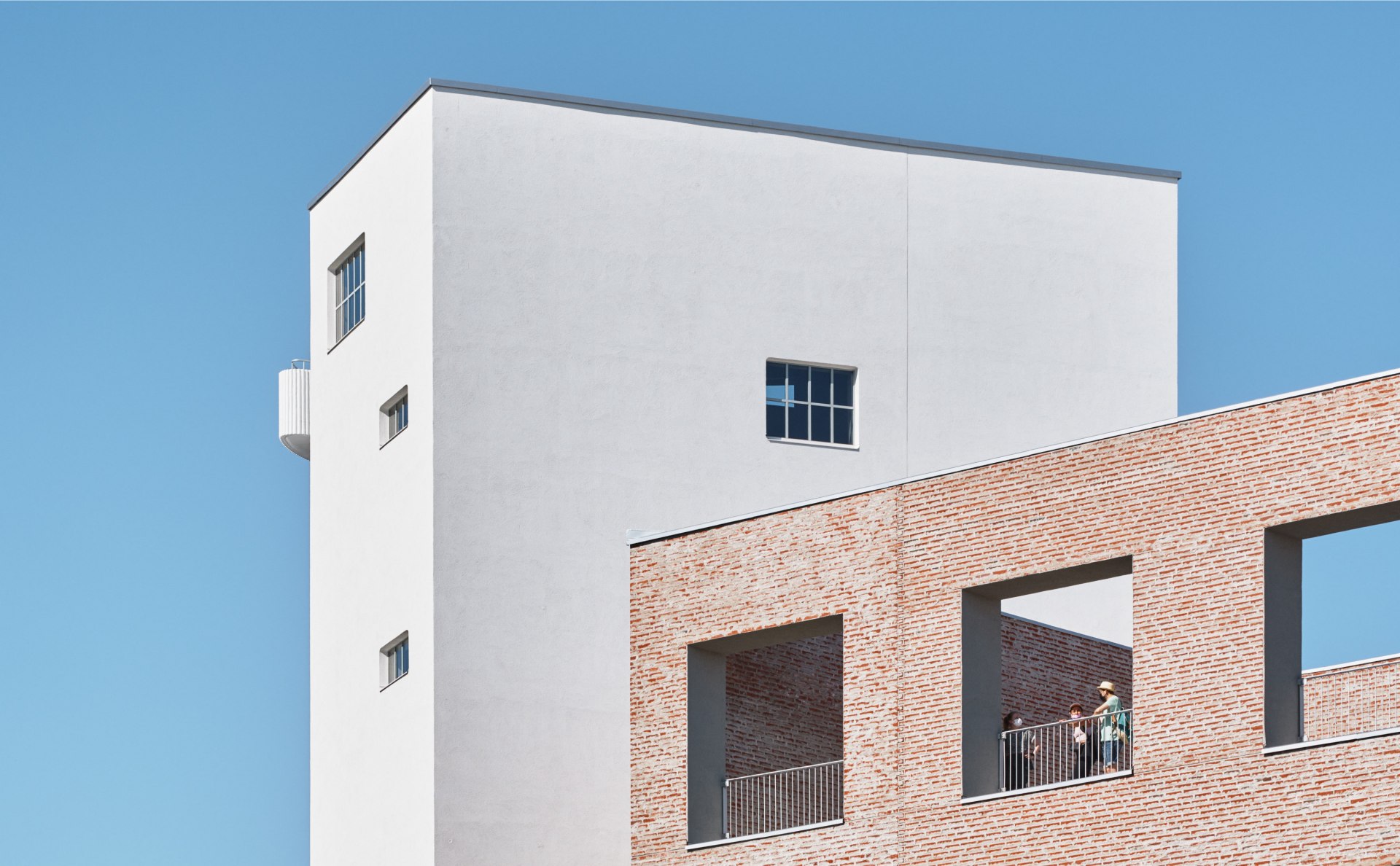
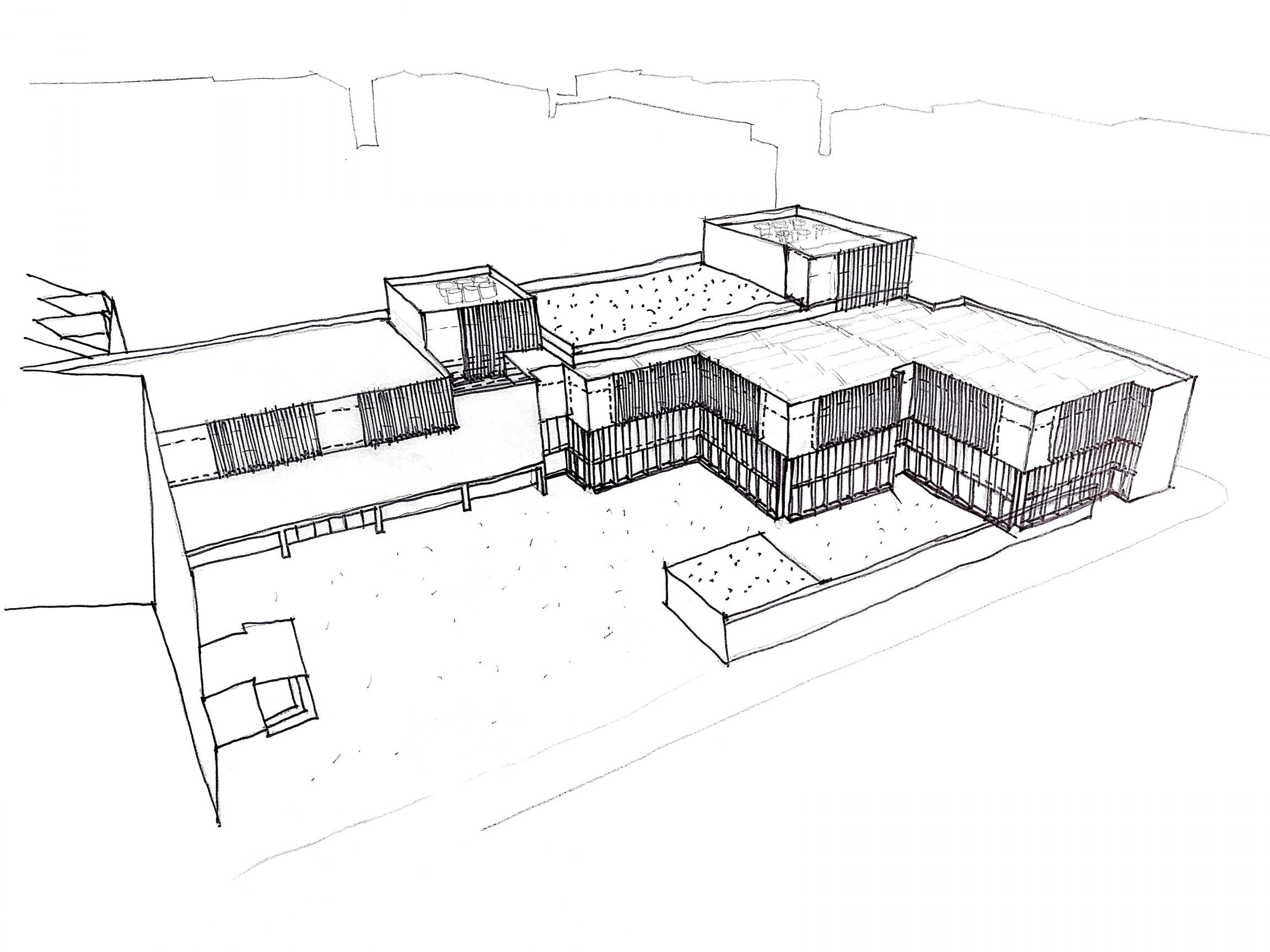
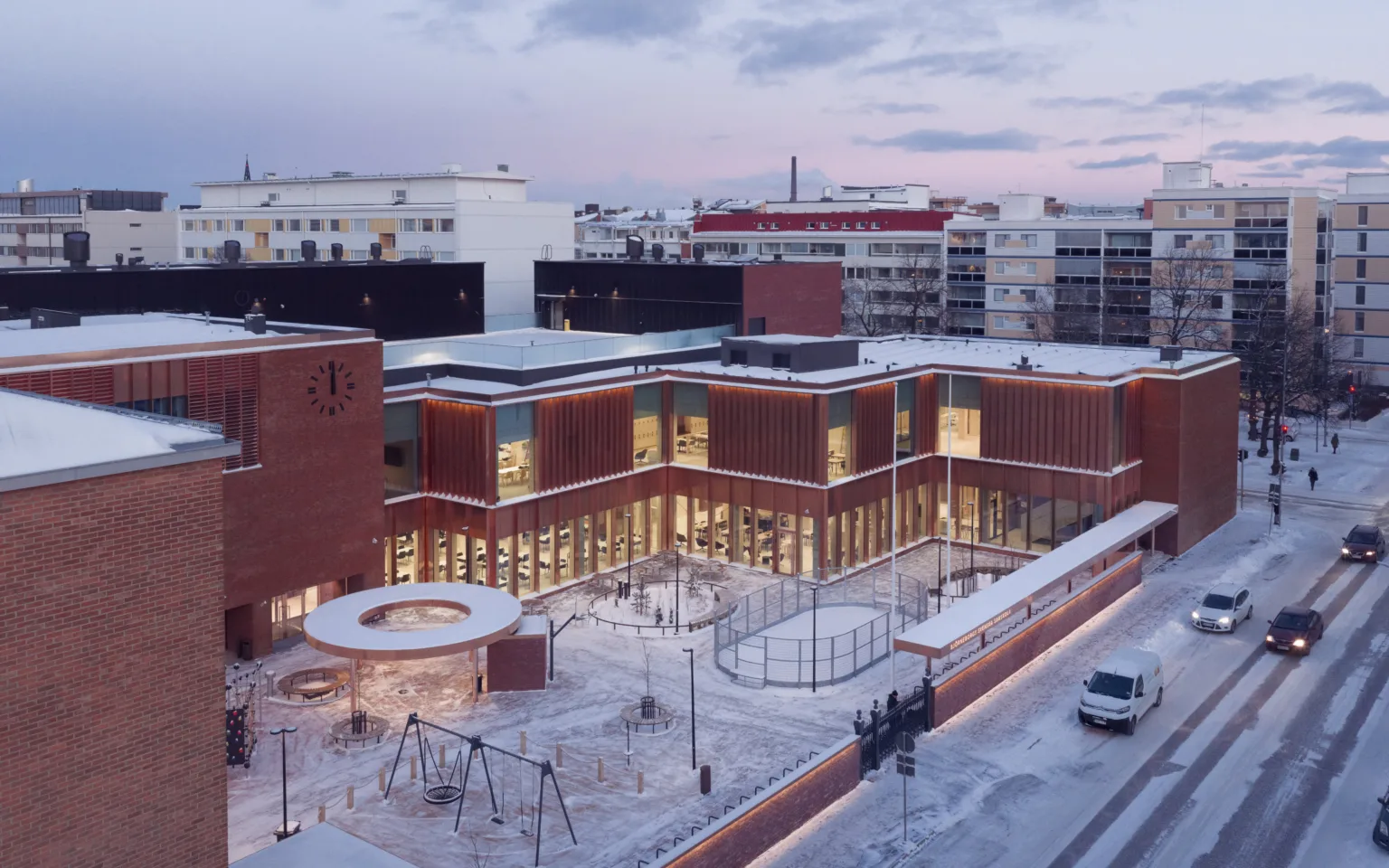
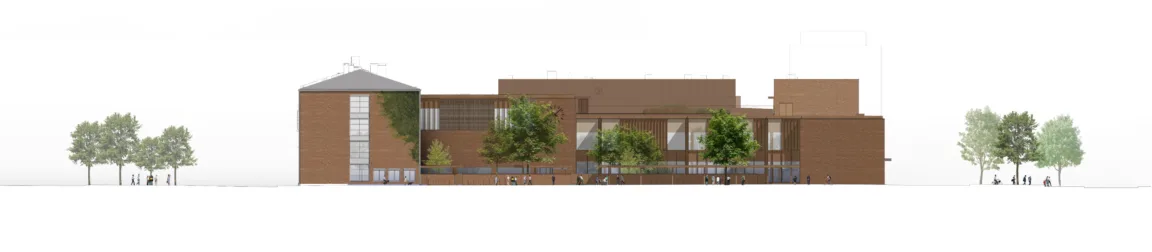
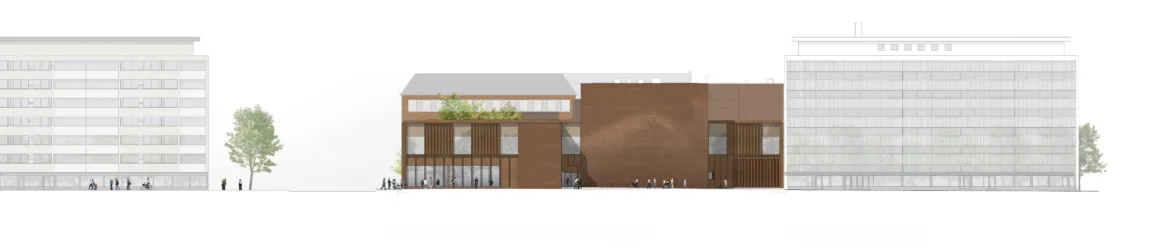
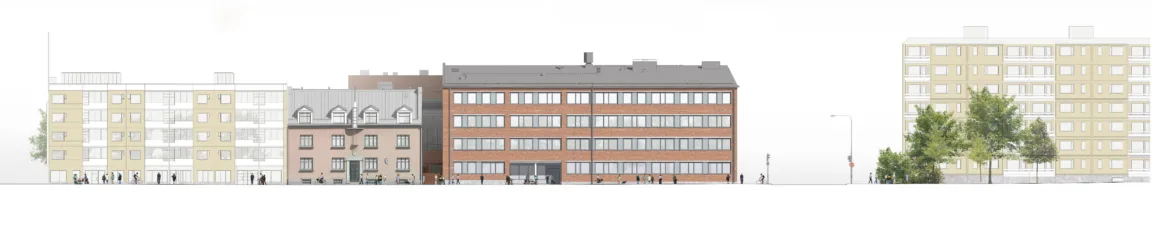
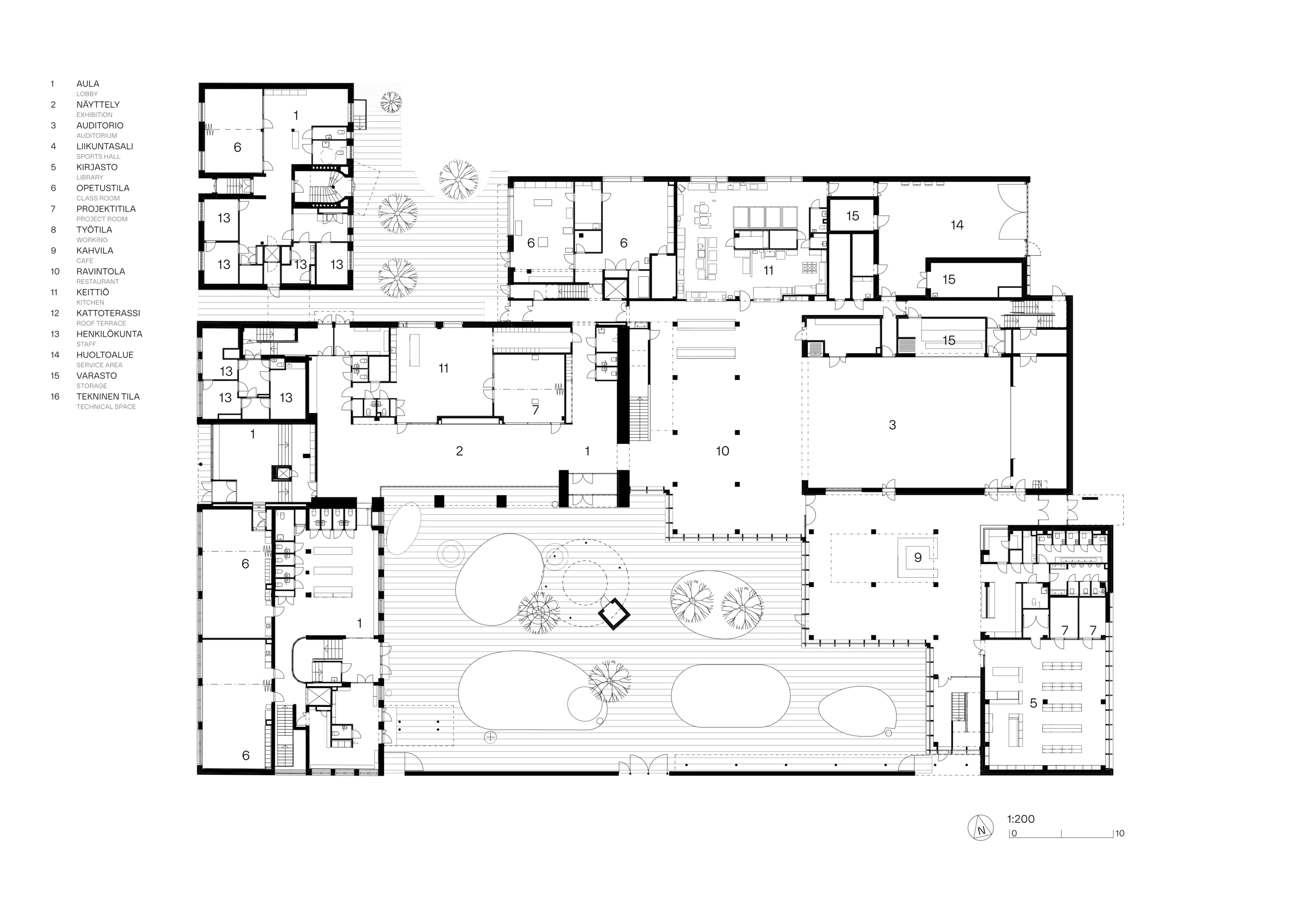
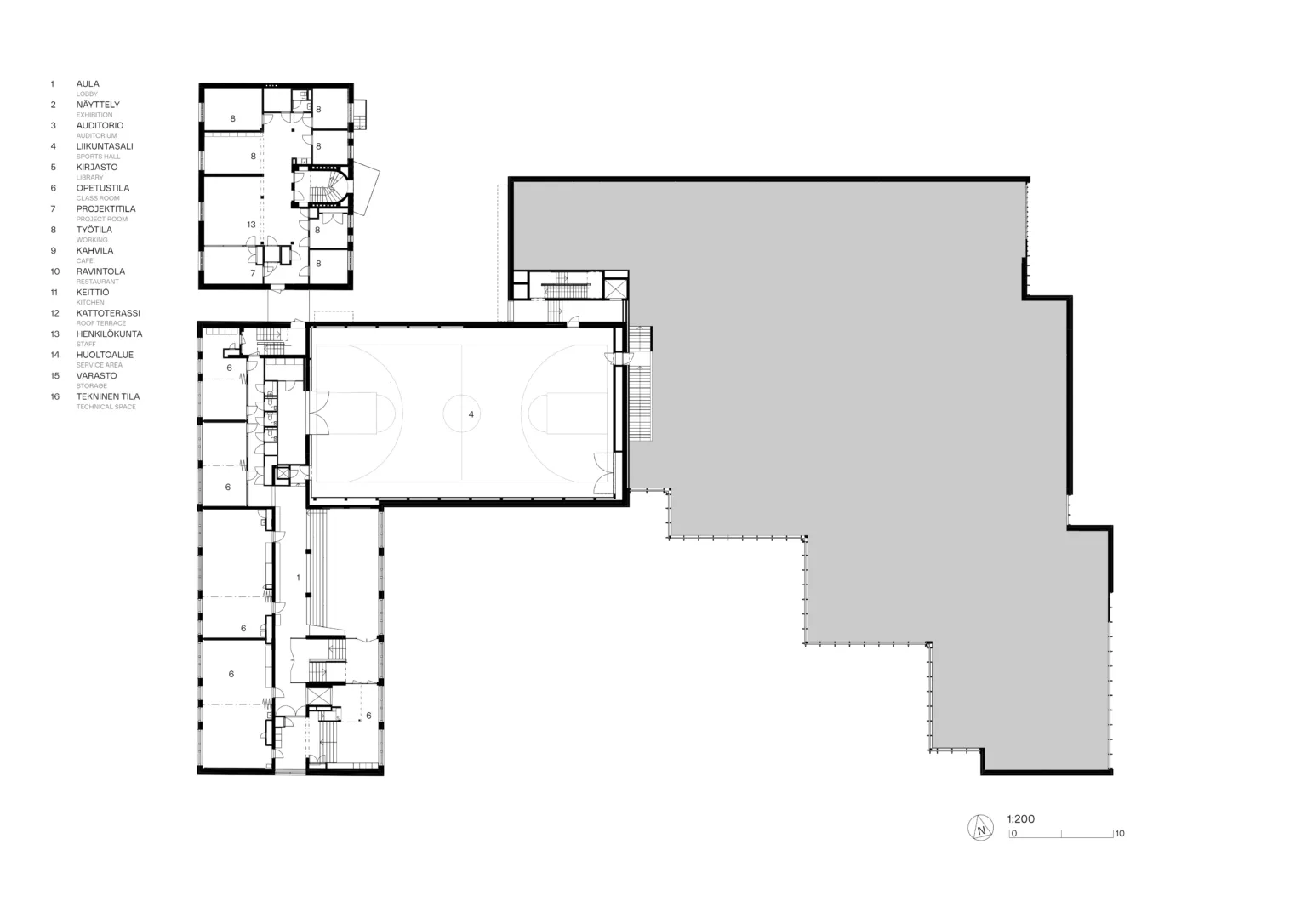
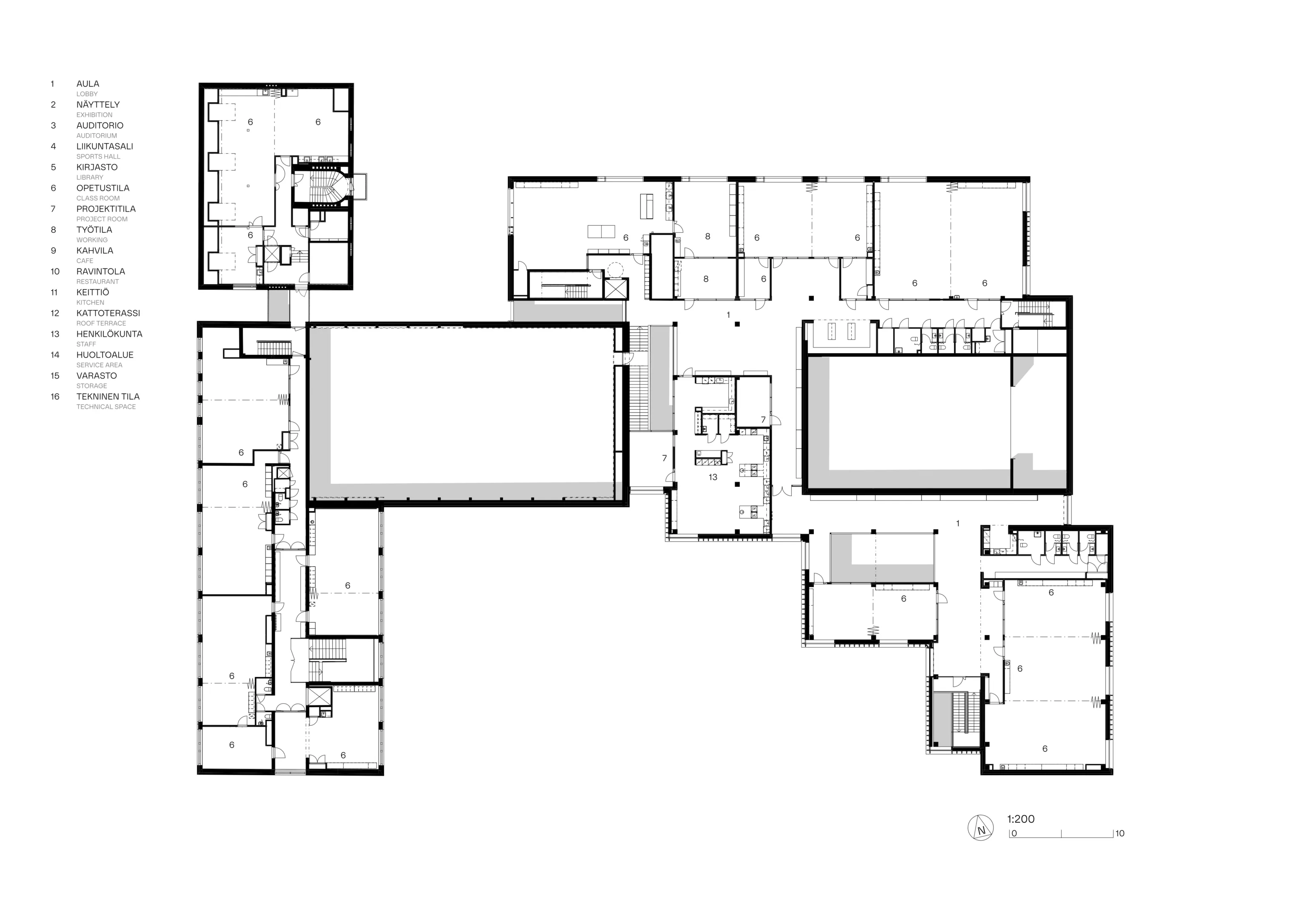
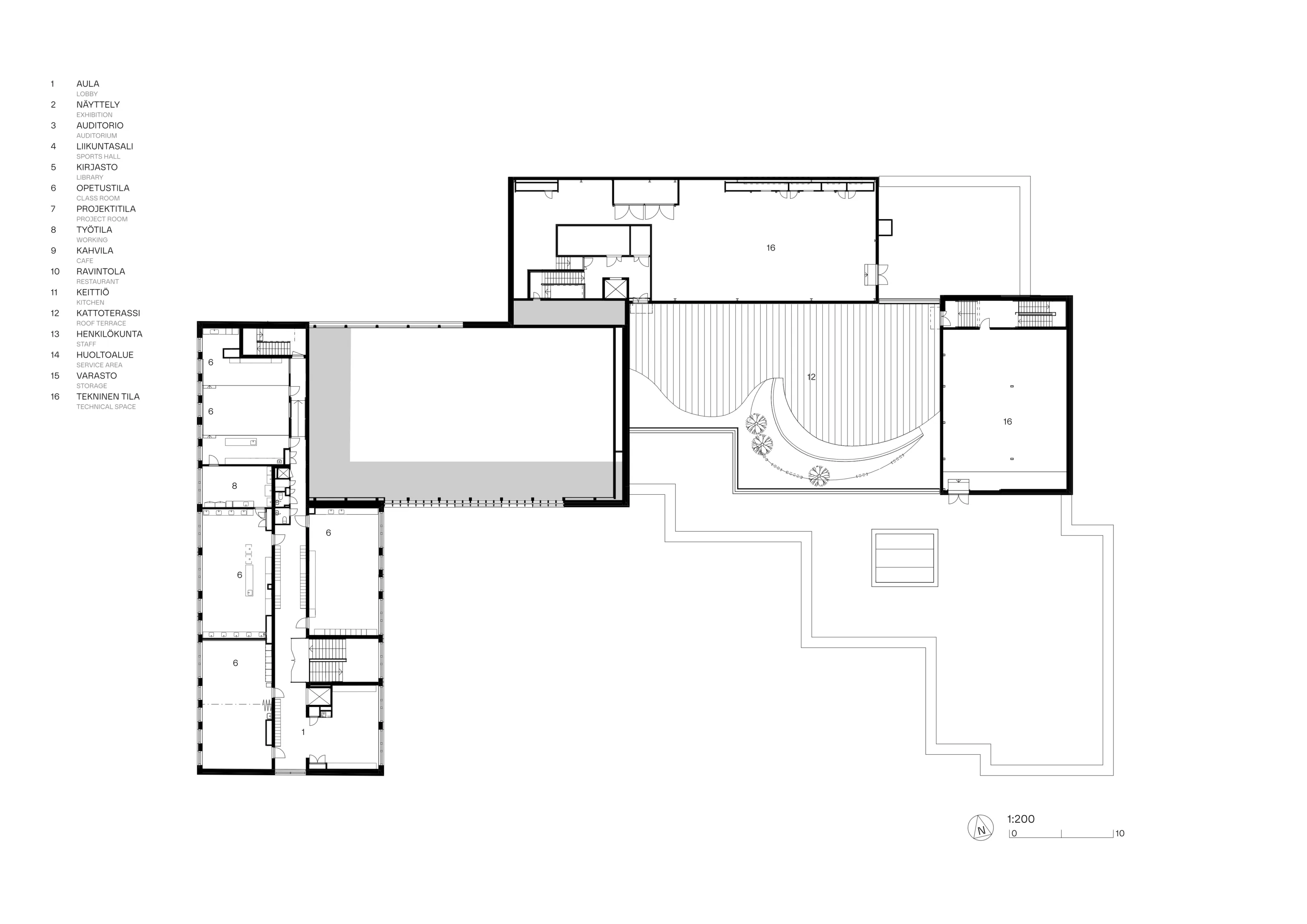
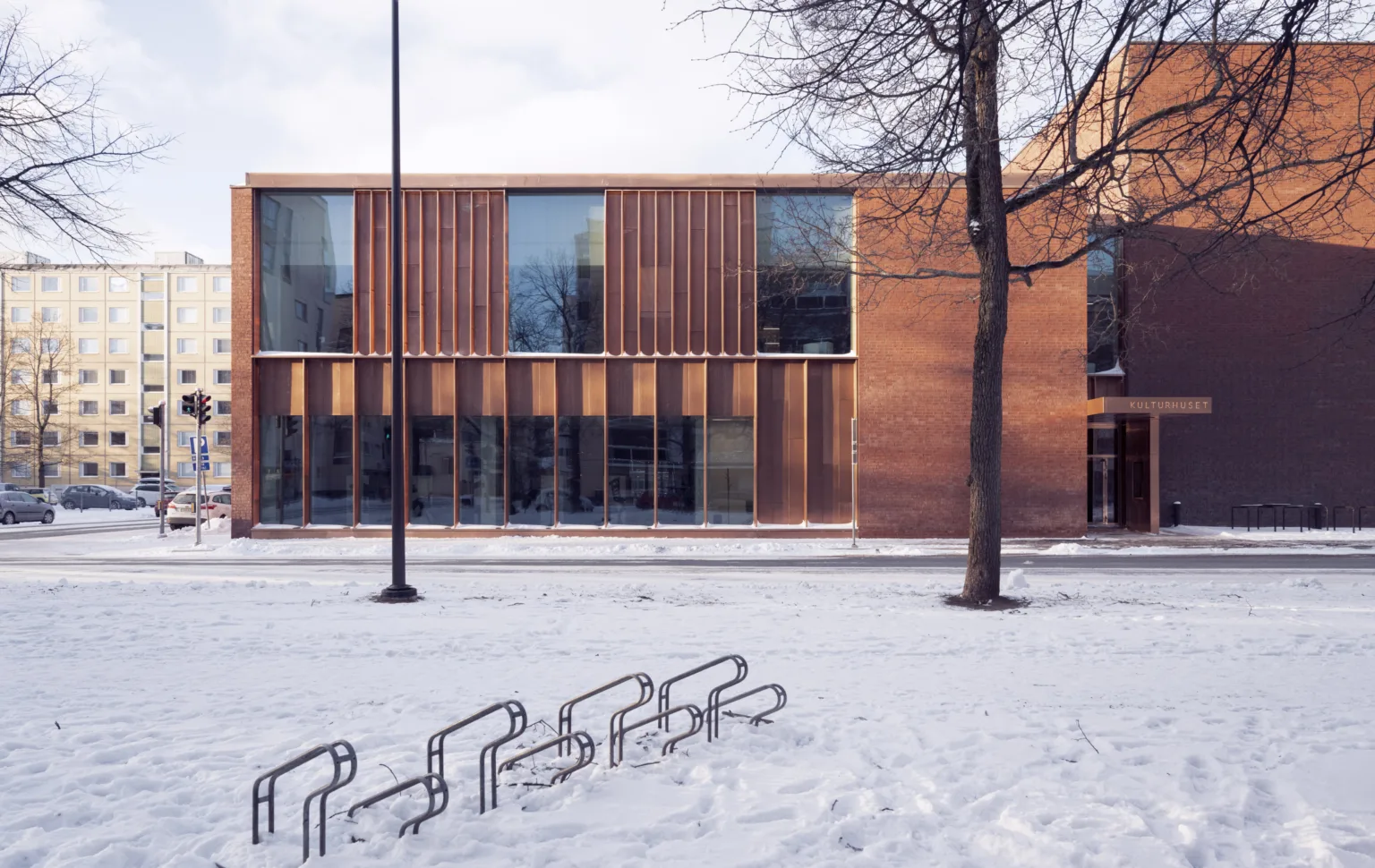
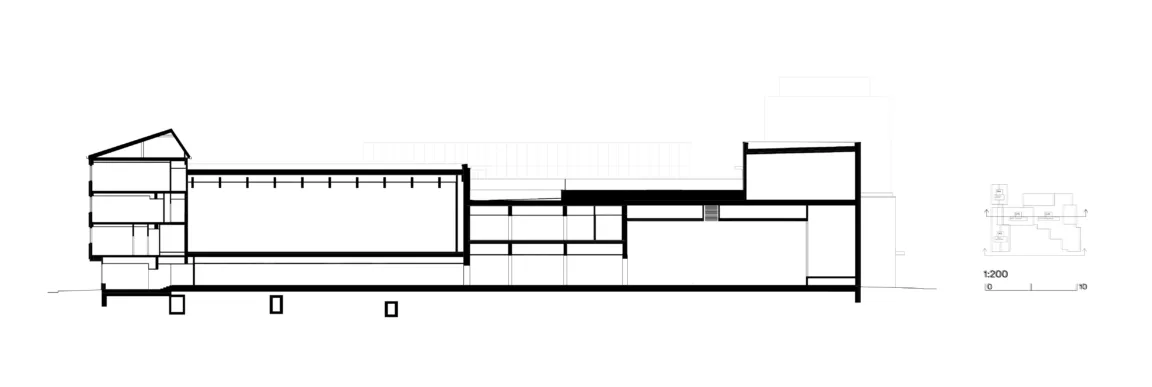
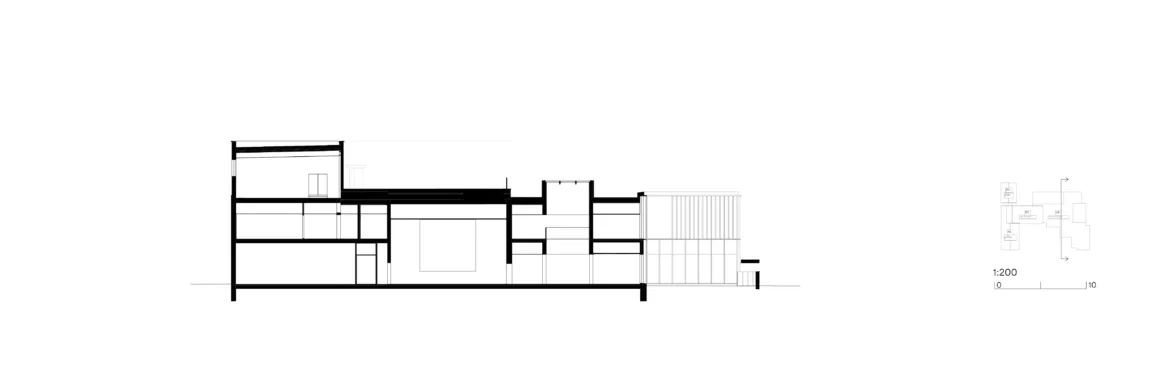
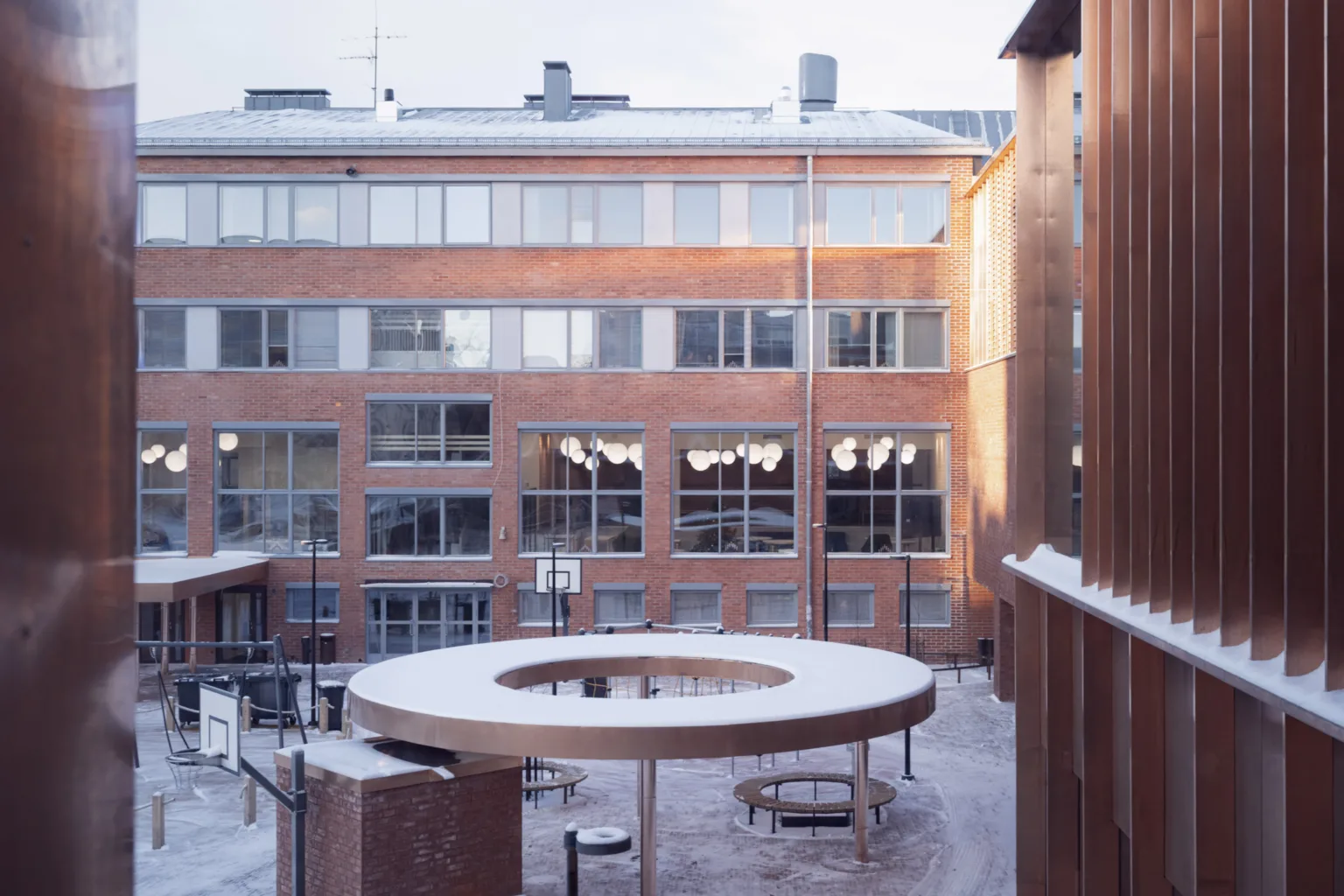
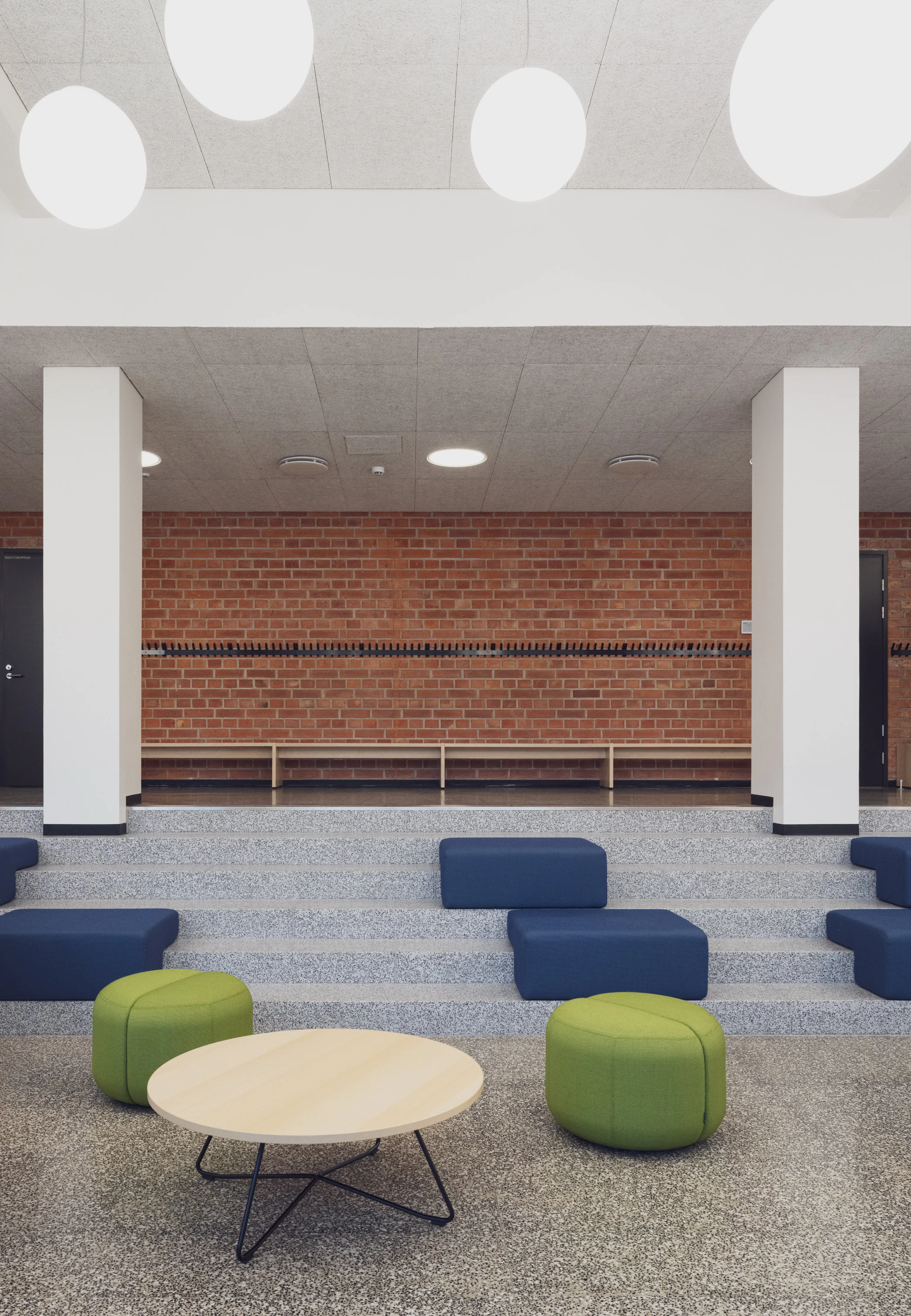
The new campus is formed through the renovation of two protected buildings – the 1960s brick school and the 1930s Rosa Huset – and a new predominantly timber extension that connects seamlessly with the existing structures, forming a compact city block of over 10,000 gross square metres. The campus serves a Swedish-language comprehensive school from preschool to upper secondary level, while also connecting to a daycare centre, senior facilities, and the foundation’s administrative offices.
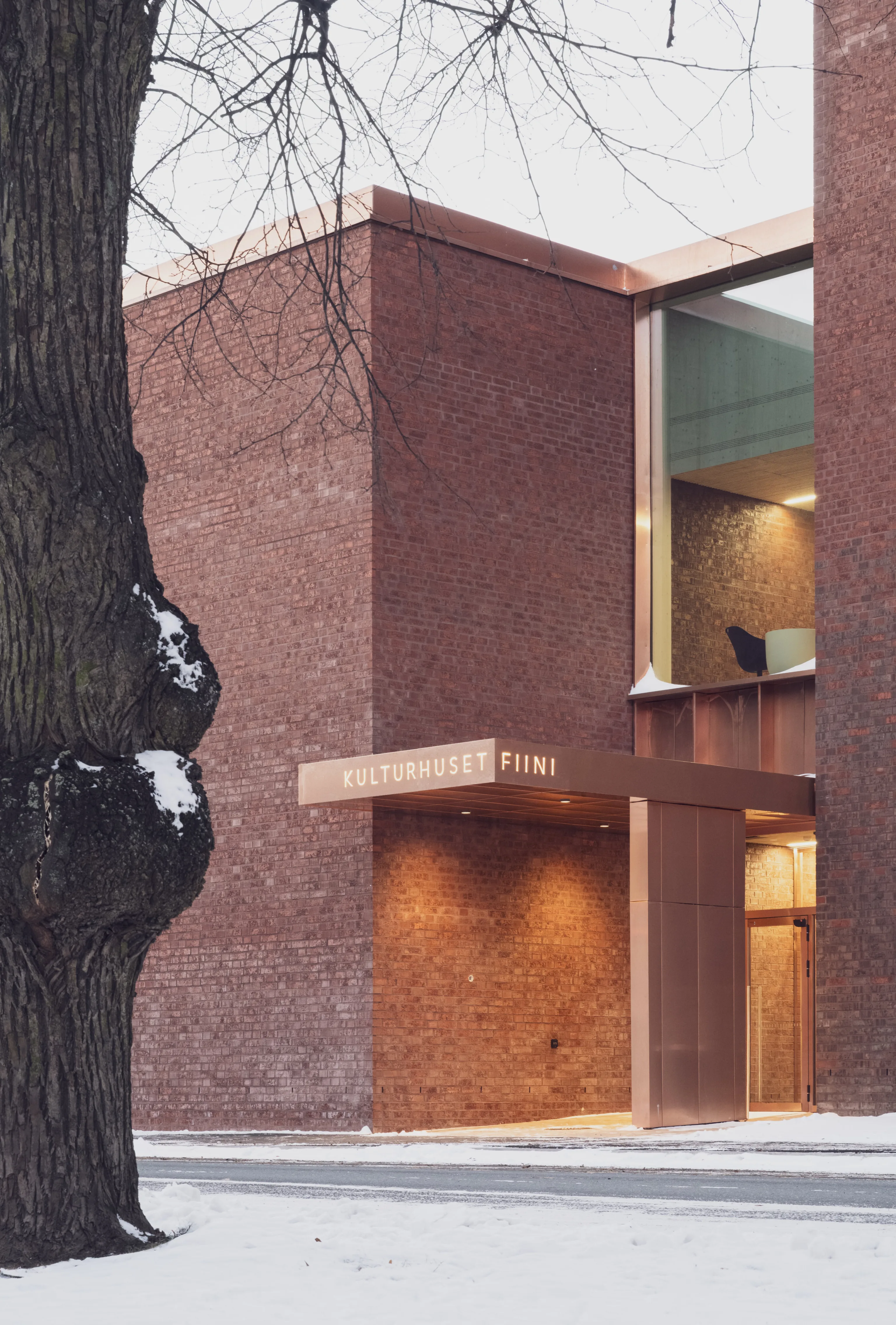
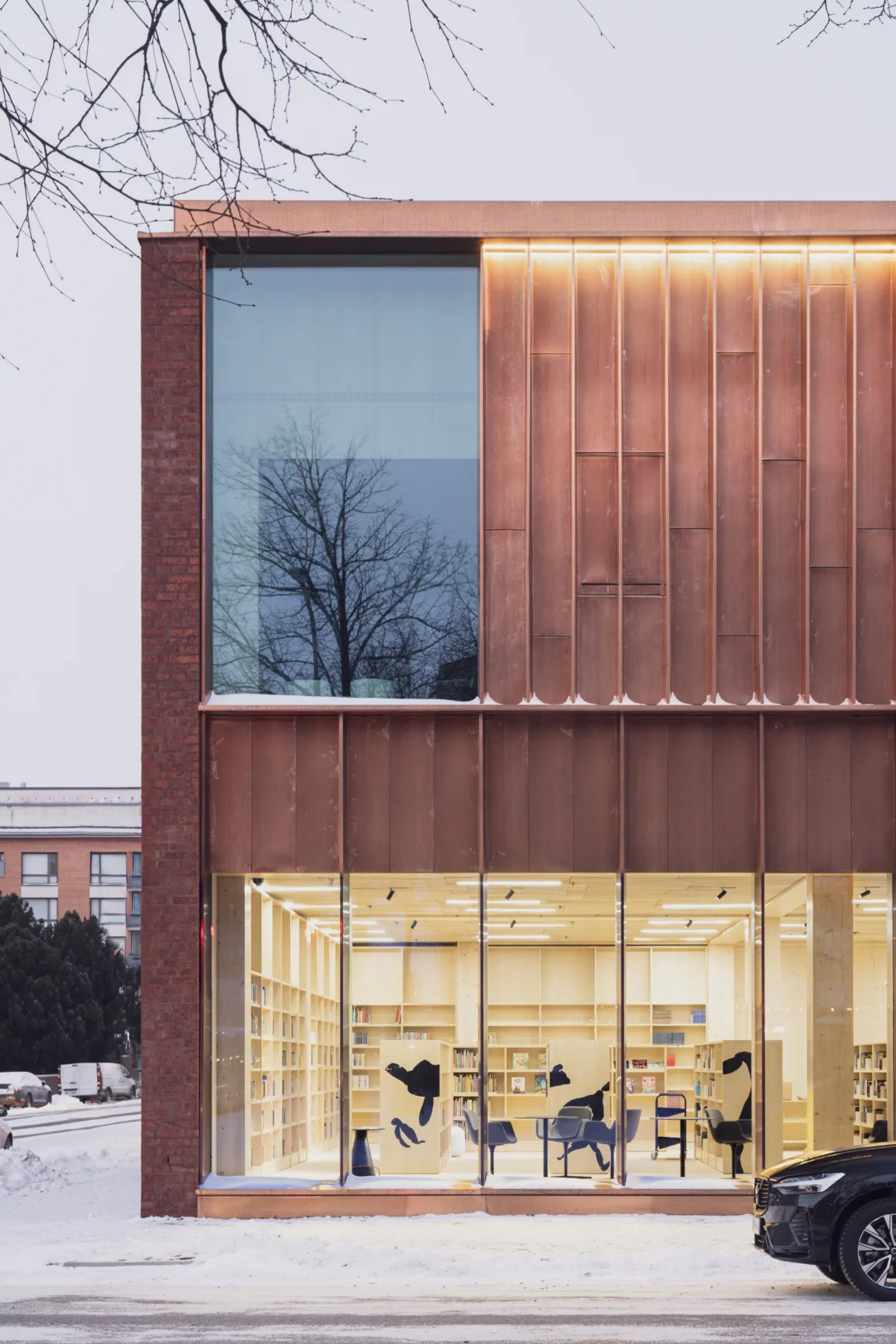
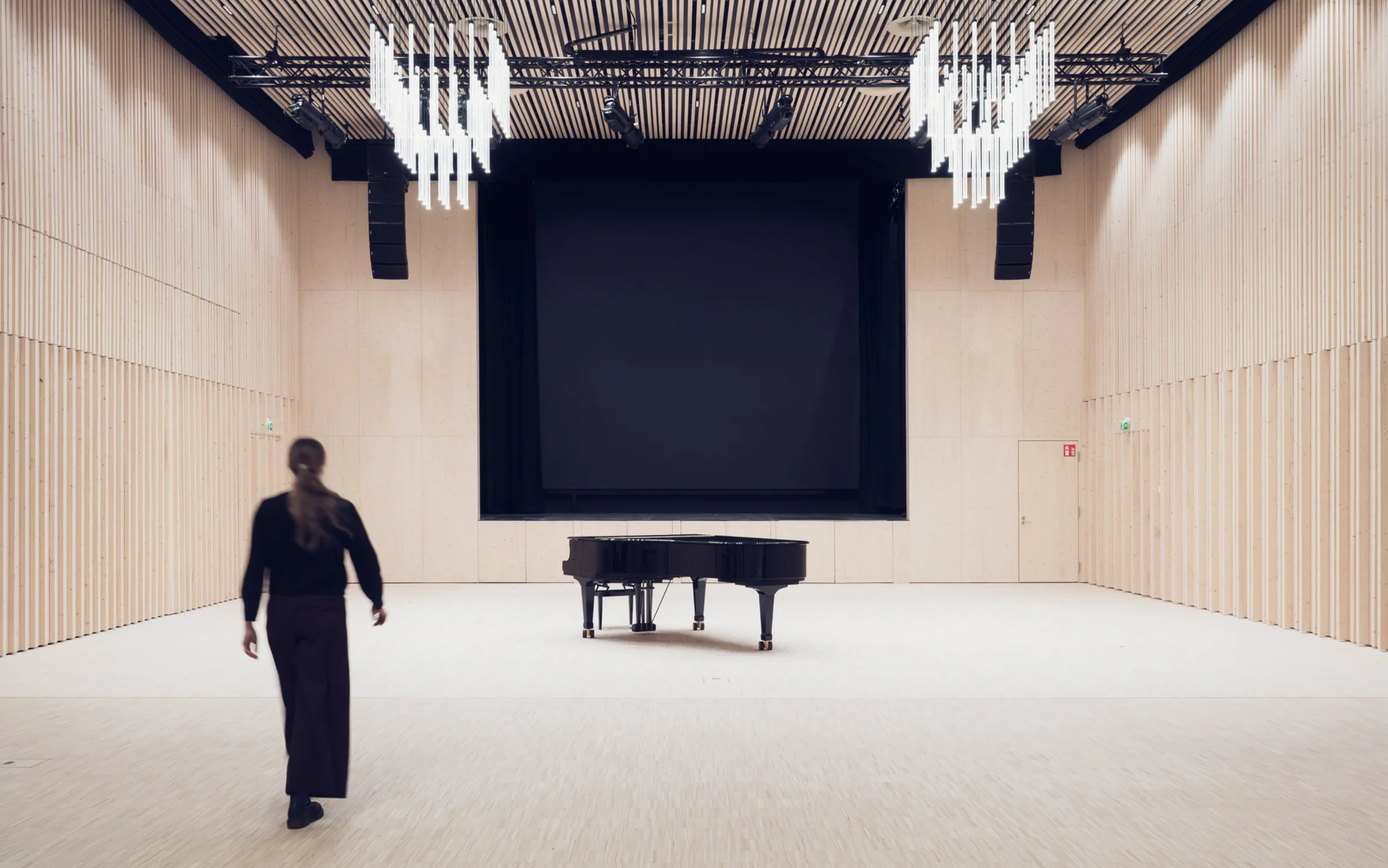
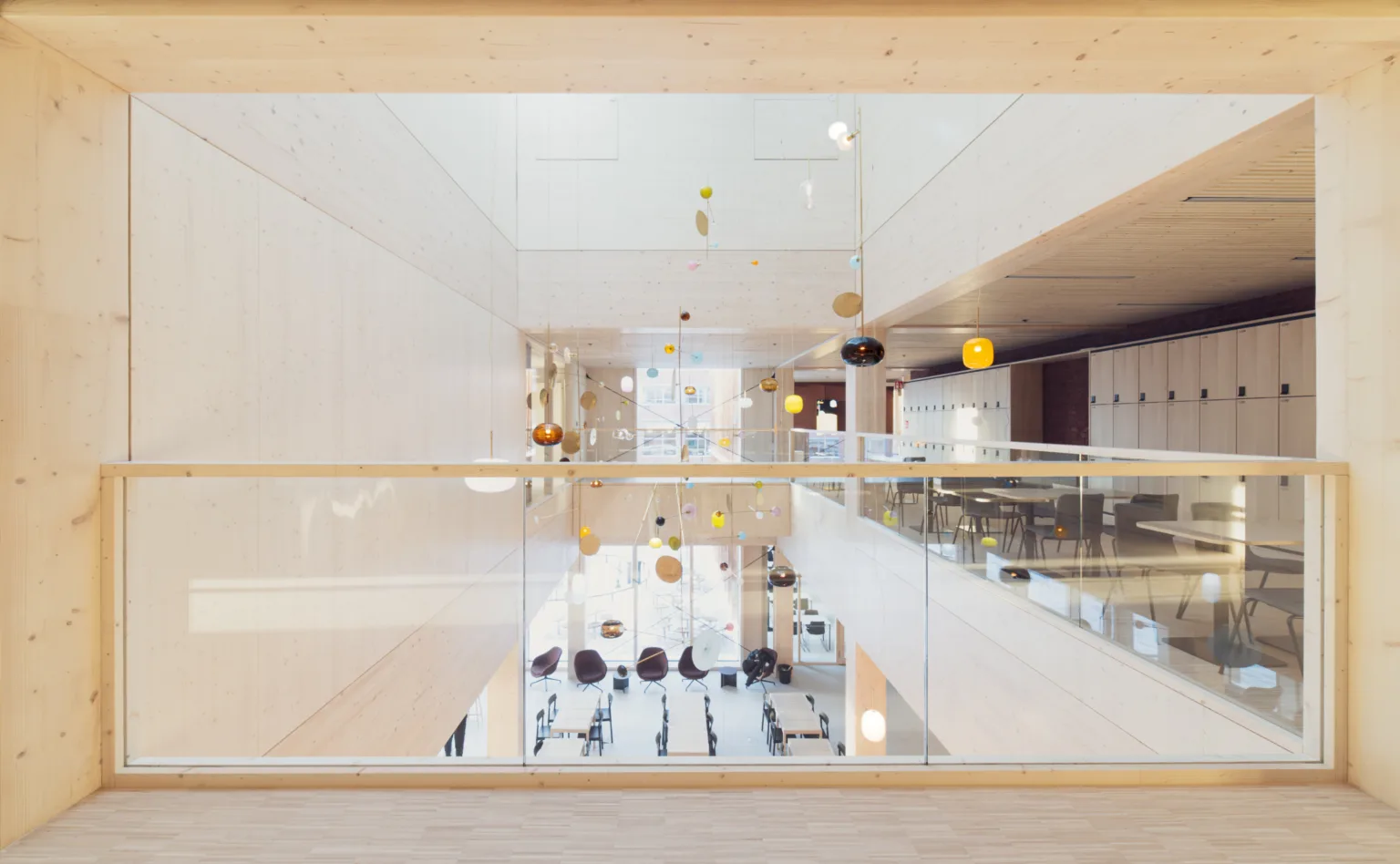
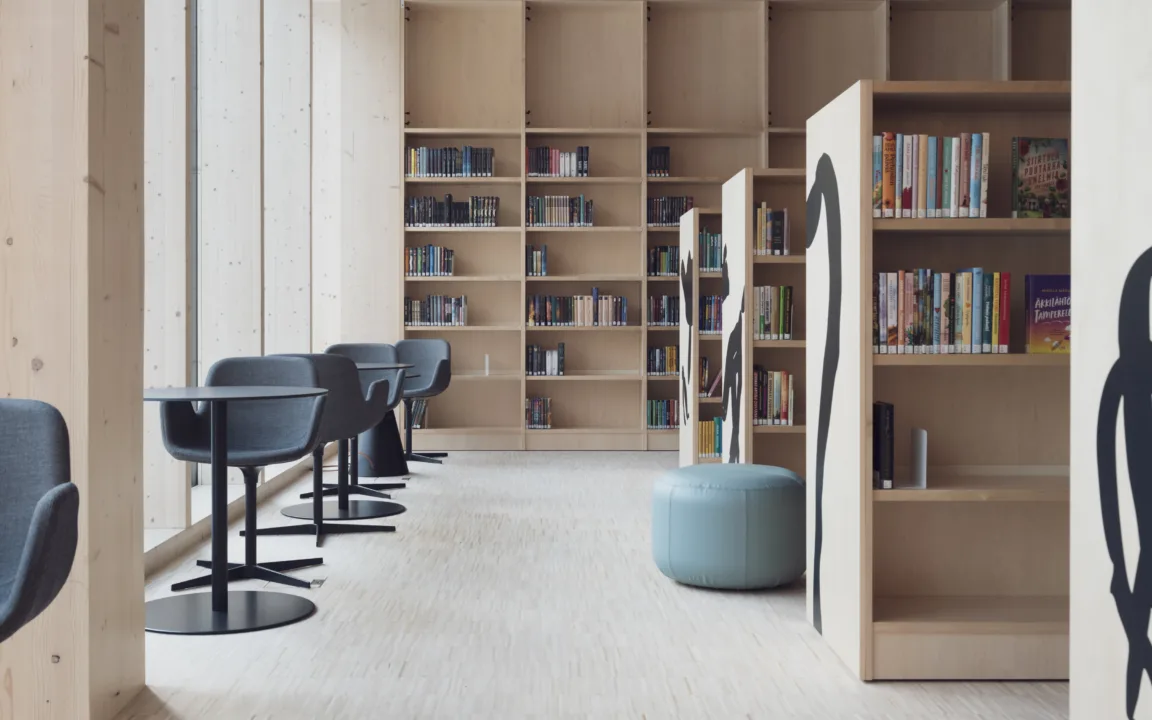
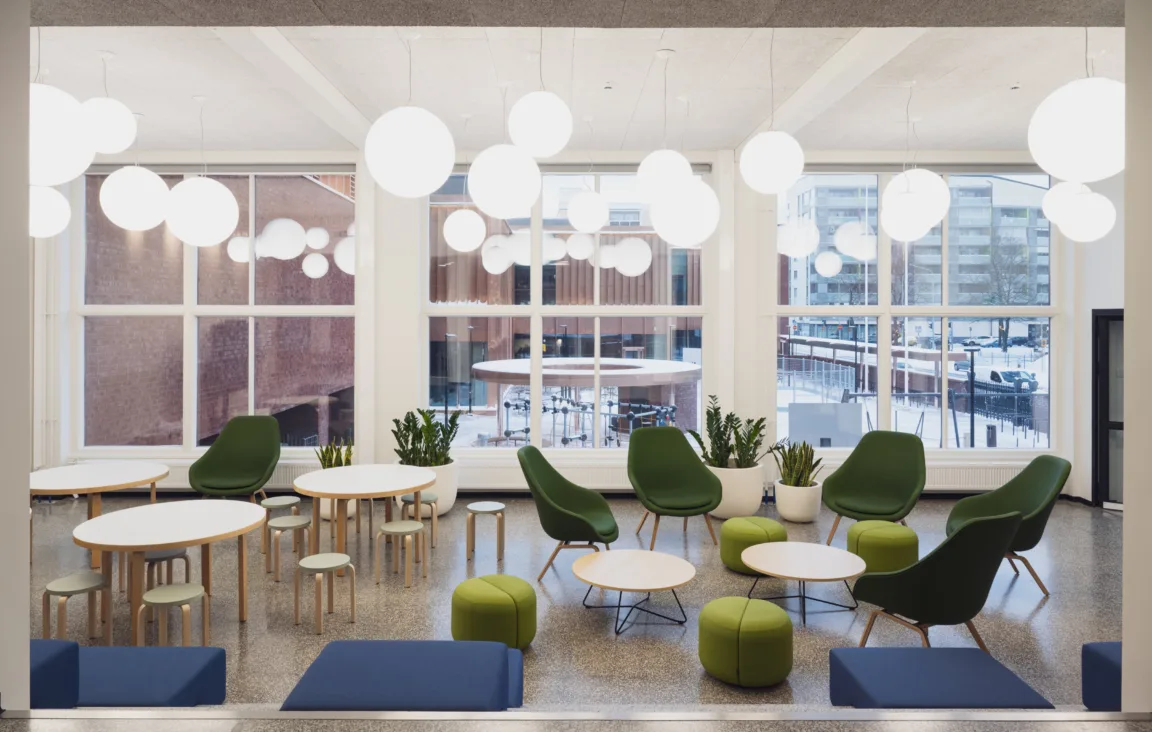
The extension houses Kulturhuset Fiini, a cultural centre that includes a multipurpose hall, restaurant, café, library, and smaller gathering spaces. The campus is designed to foster interaction between educational and public cultural functions: school facilities and sports spaces are shared with the wider community, while cultural venues enrich the daily life of the school. The design process was carried out in close collaboration with users and stakeholders.
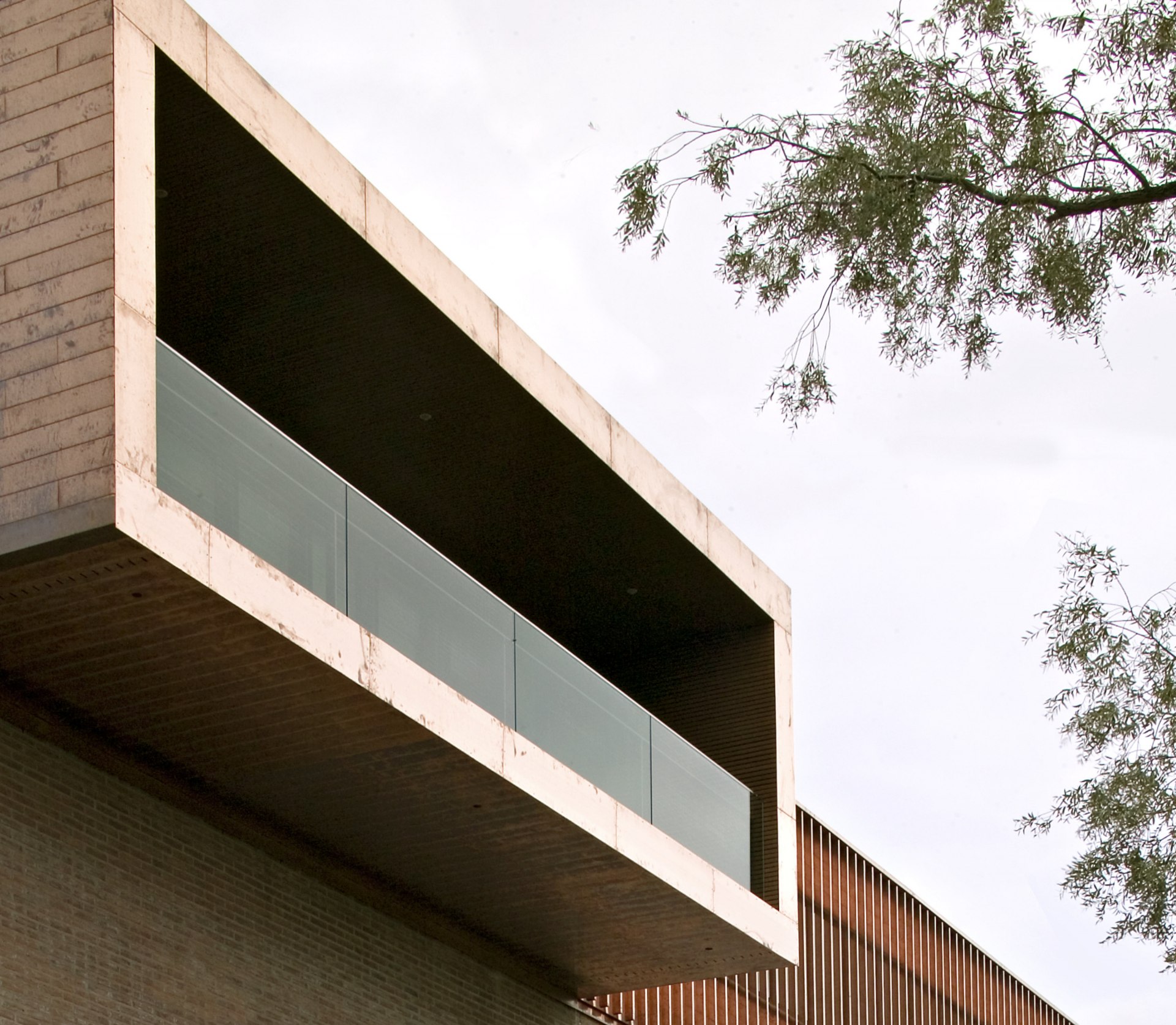
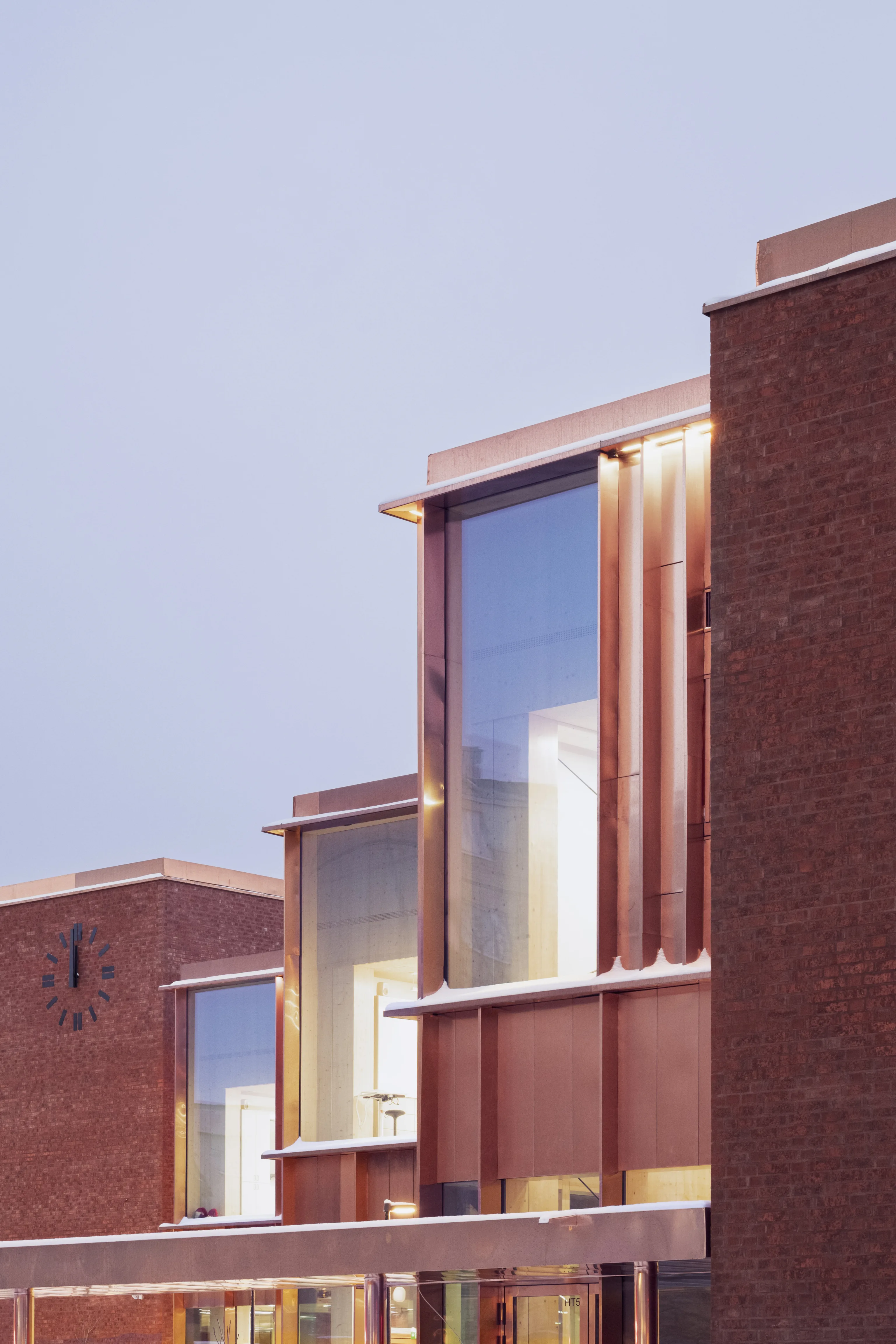
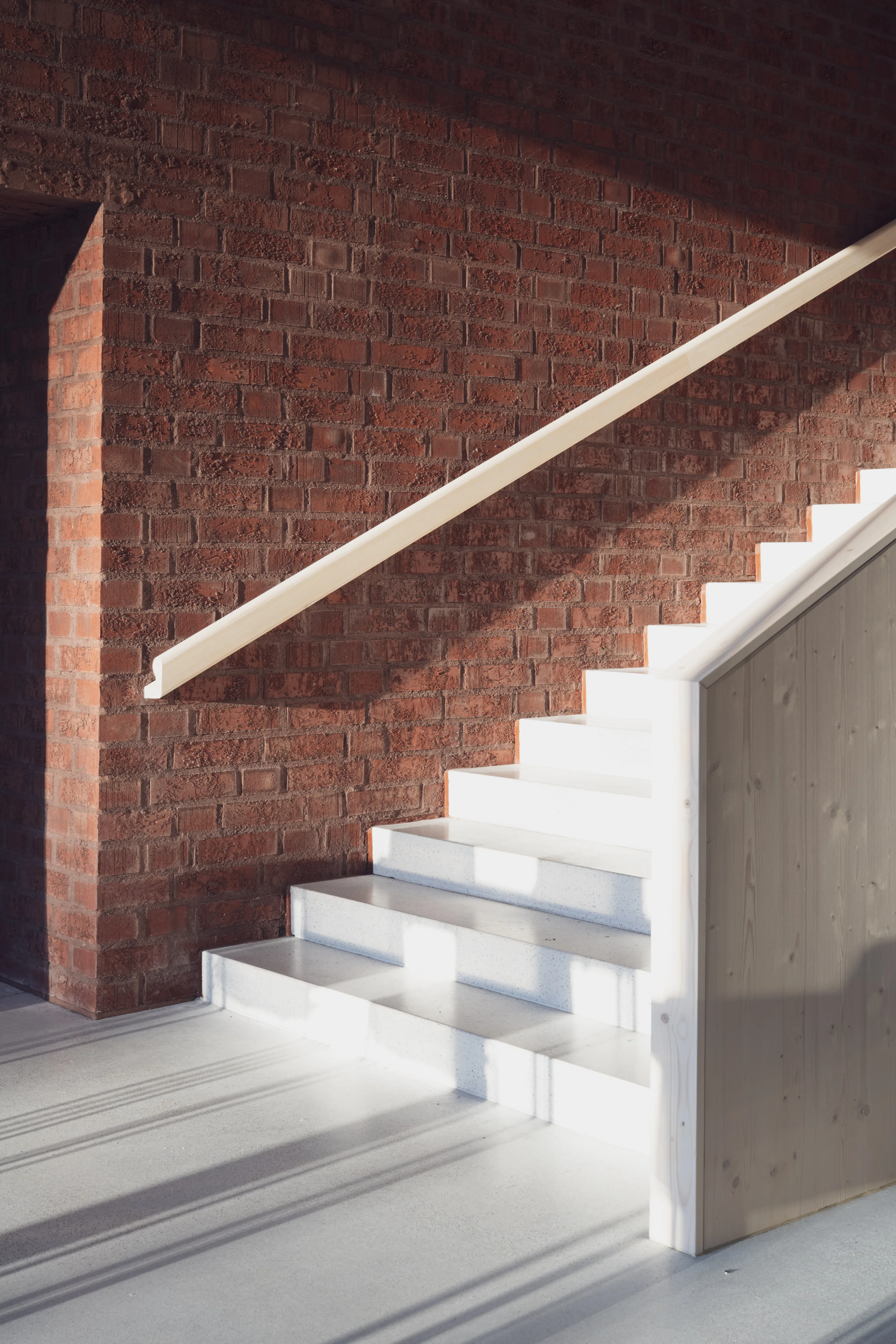
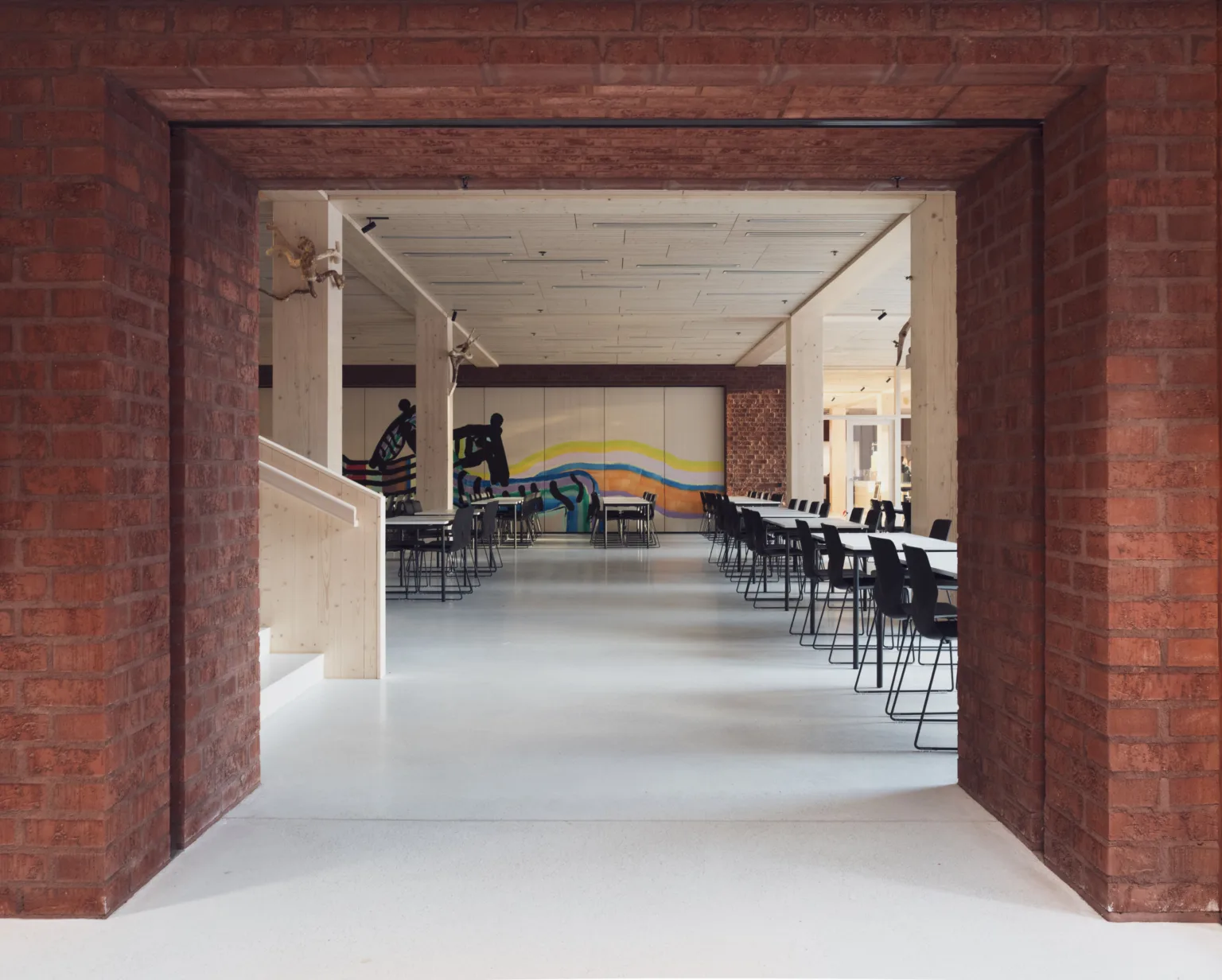
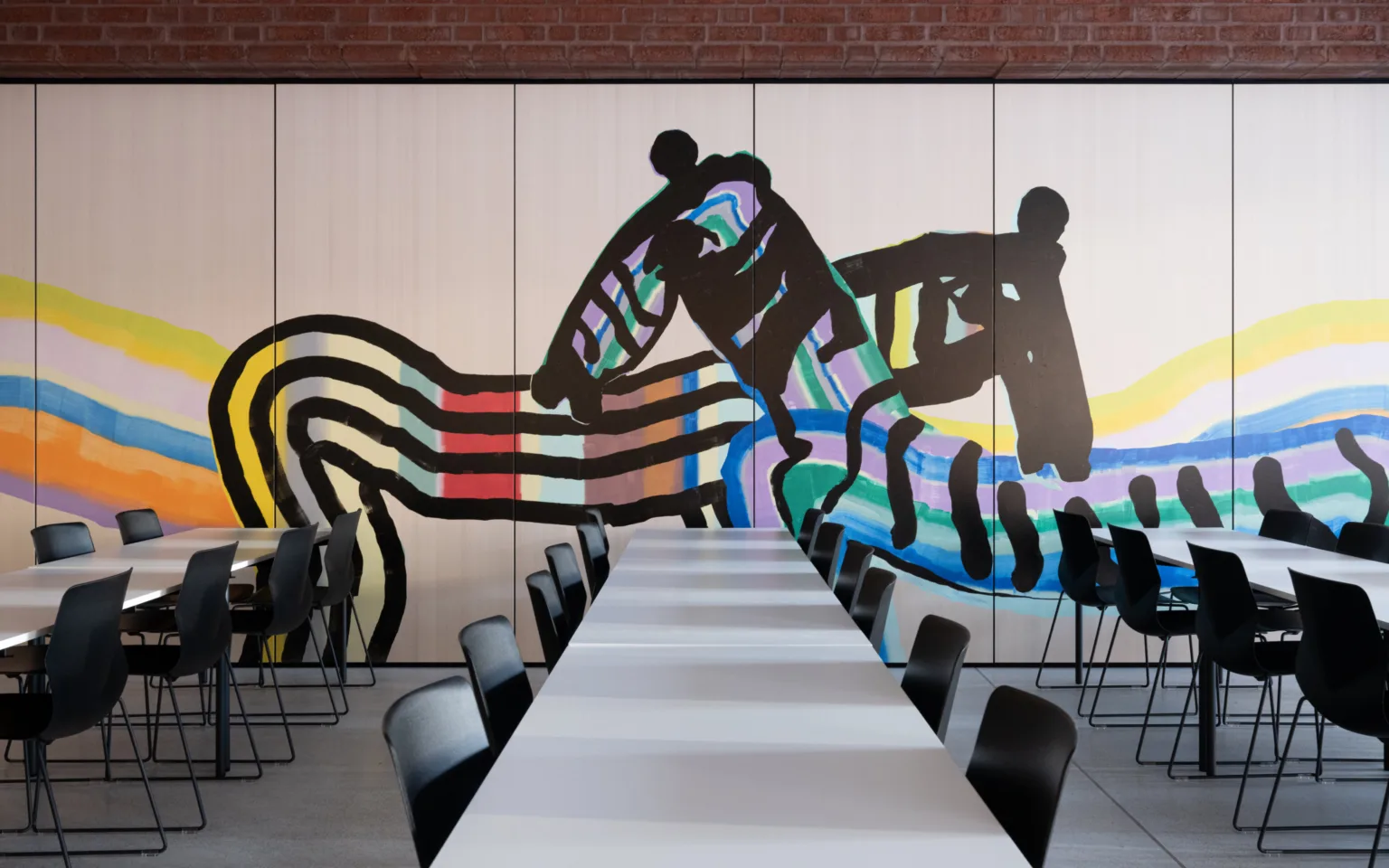
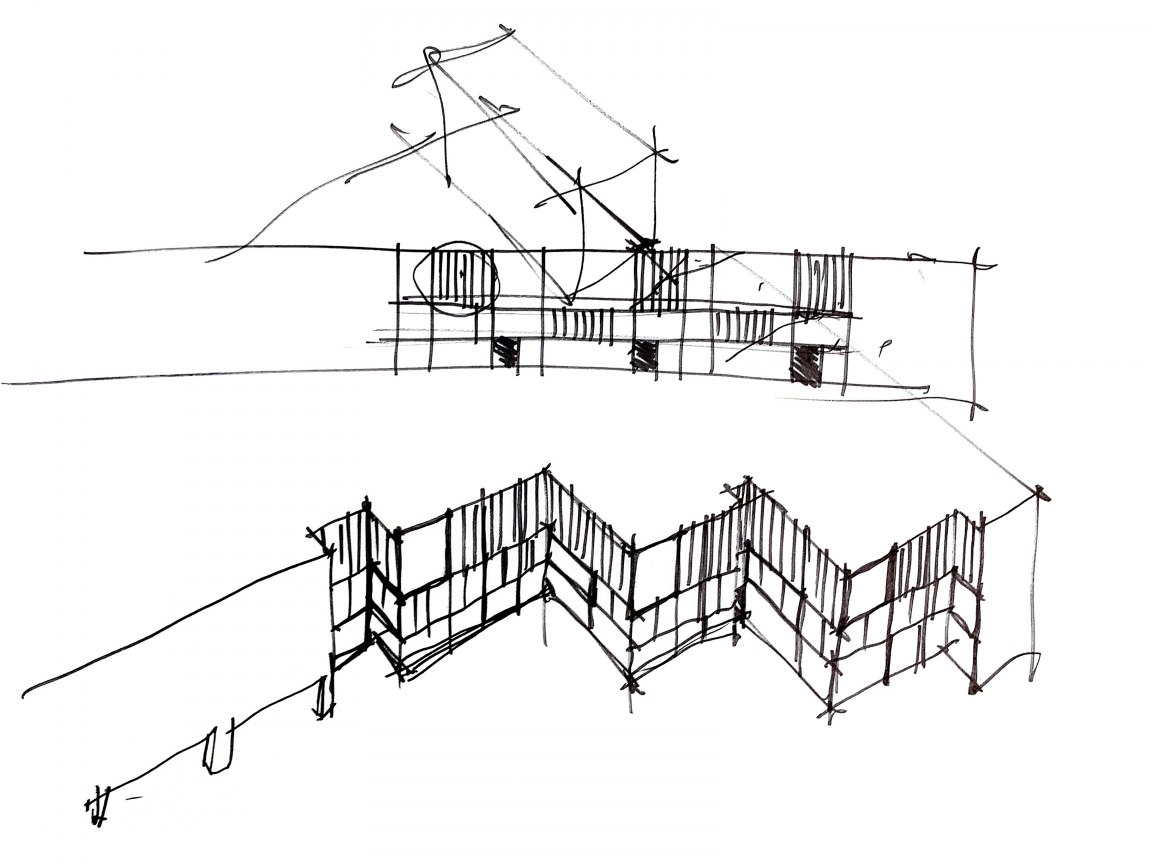
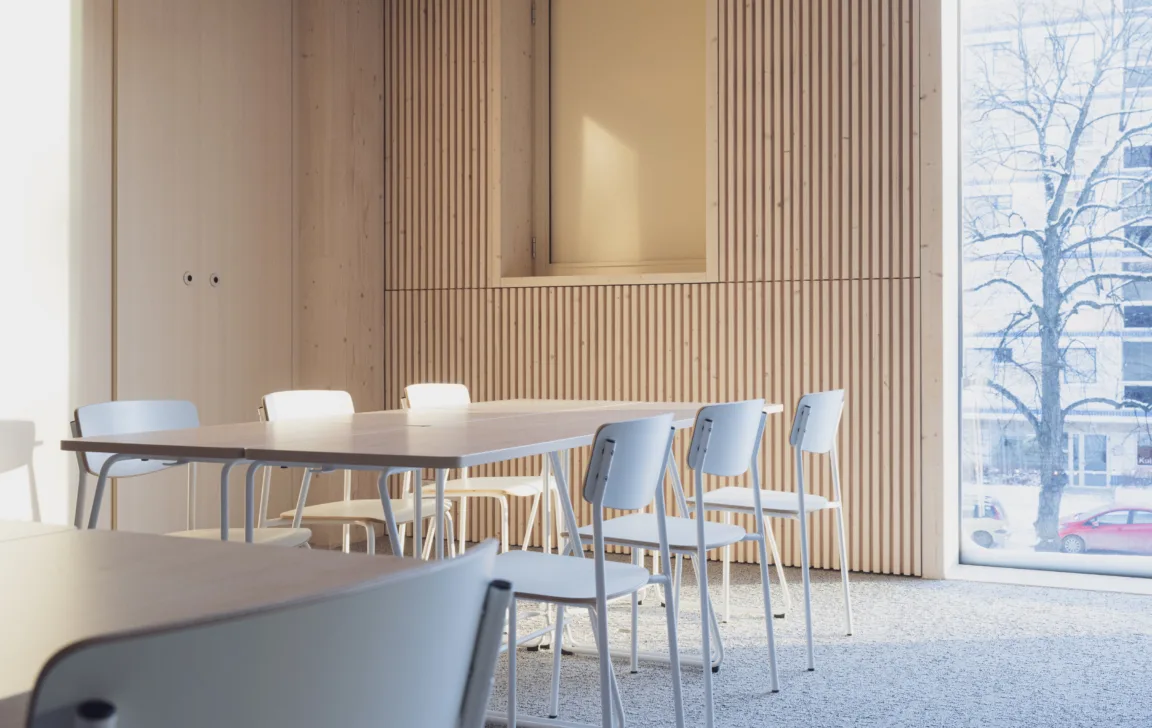
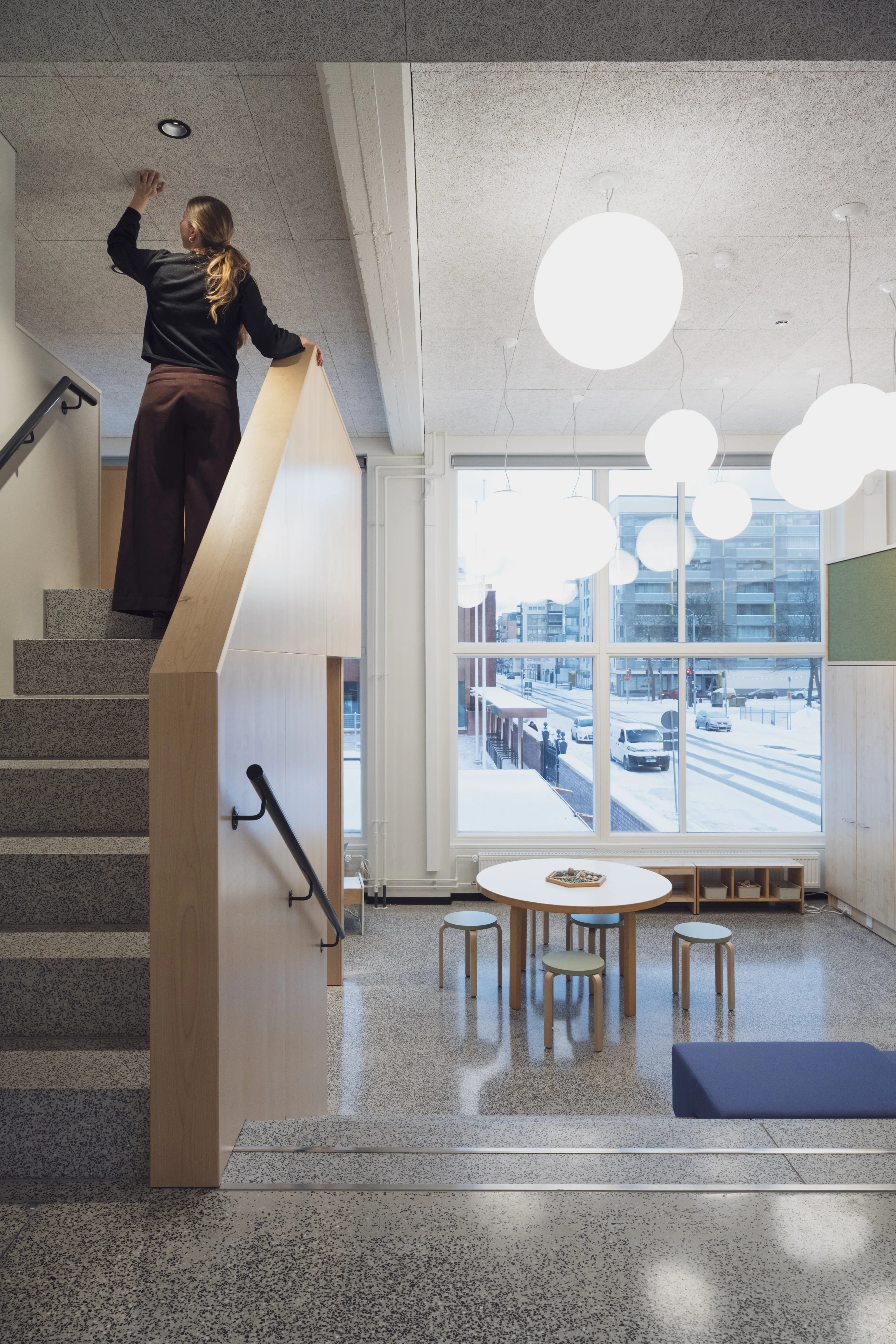
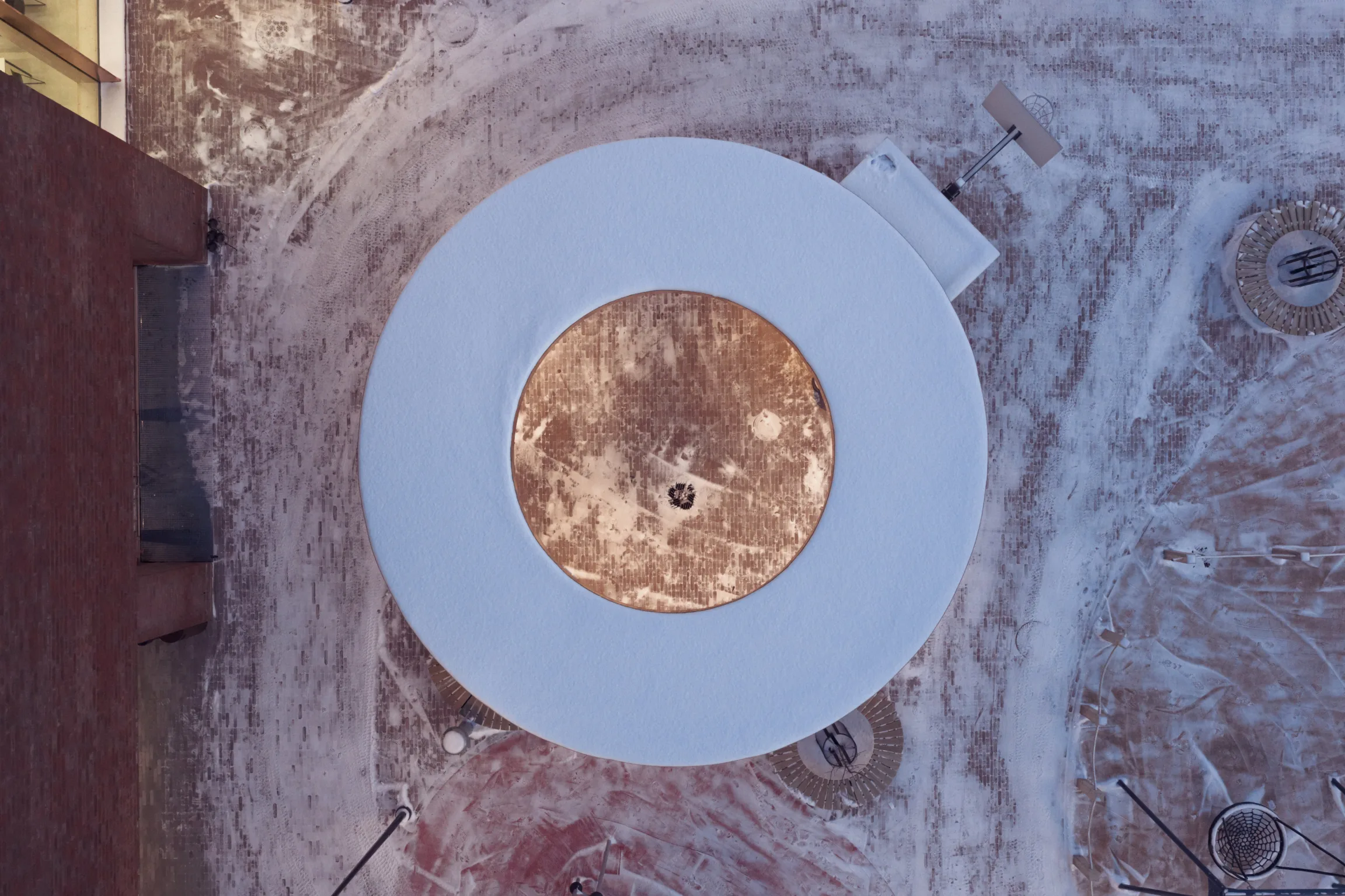
Architecturally, the campus is defined by a dialogue between brick, bronze, and wood. The warm interiors are structured by a spruce glulam frame, natural timber surfaces, and carefully composed spatial sequences that link buildings from different eras. Art plays an integral role throughout the campus, featuring works by Milla Vaahtera, Laura Mertz, and sound artist Tytti Arola. The hybrid building is designed as an energy-efficient and sustainable environment, utilising geothermal heat, solar energy, and durable, repairable materials to support learning and community life across generations.

Related Works